


Storm Recovery
& Flood Prevention Updates
How Crown Point is responding to severe storms, improving stormwater infrastructure and building greater resilience for the future.
Prepared communities are built before the next storm arrives.
Building a safer, stronger Crown Point.From Storm Recovery to Resilience
Severe storms can leave more than standing water behind. They can disrupt roads, neighborhoods, businesses, utilities and everyday routines.
For communities such as Crown Point, preparing for future storms means looking beyond immediate cleanup and considering how infrastructure, development practices, natural areas and public awareness can work together.
Recent flooding has renewed attention on stormwater capacity in Crown Point, while major infrastructure work is underway to improve the movement and management of stormwater.
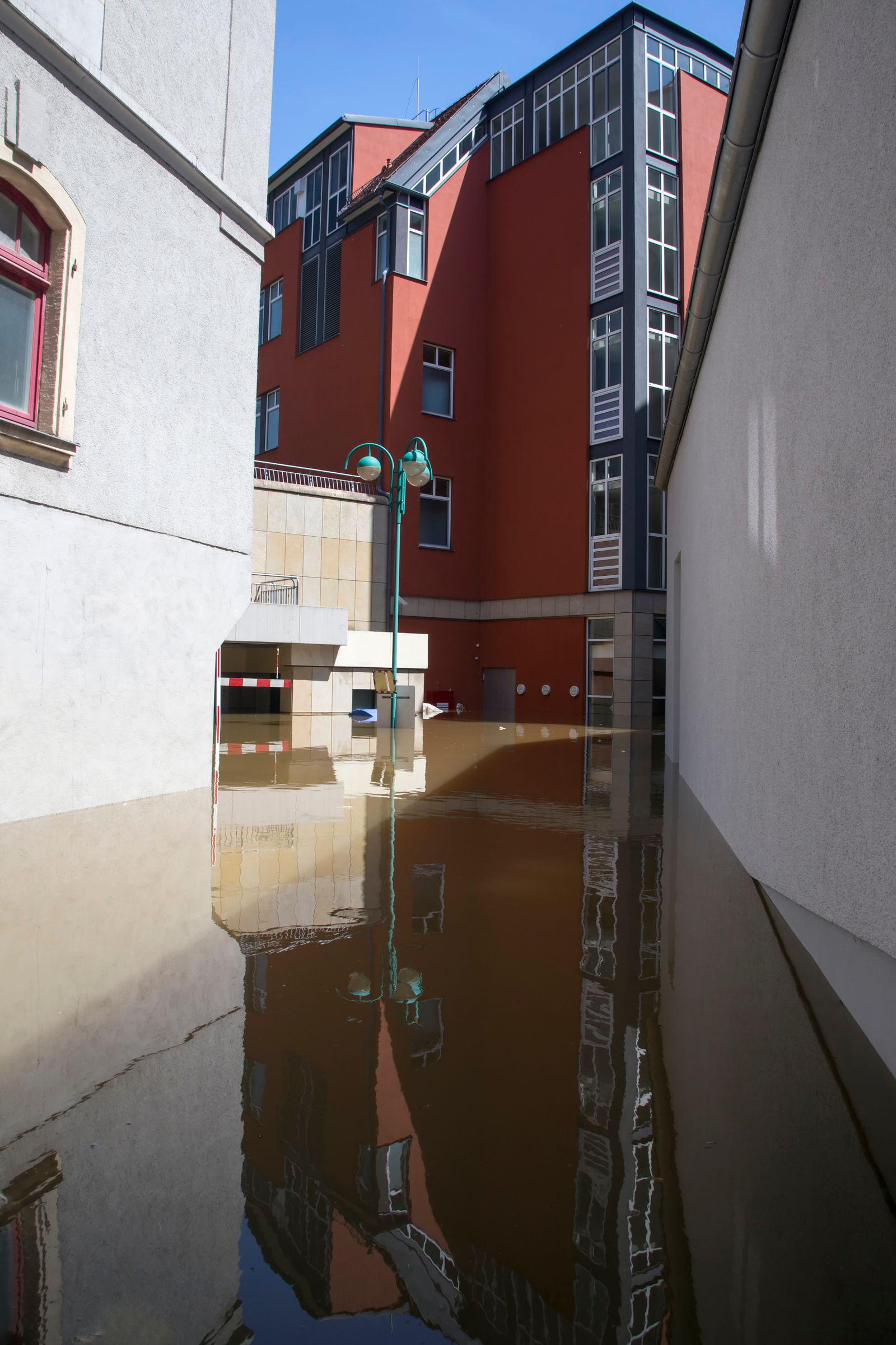
Recovery helps a community move forward. Resilience prepares it for what comes next.
Investing in Flood Prevention
Flood prevention is rarely solved by one action. It can involve infrastructure, planning, maintenance, environmental protection and public participation.
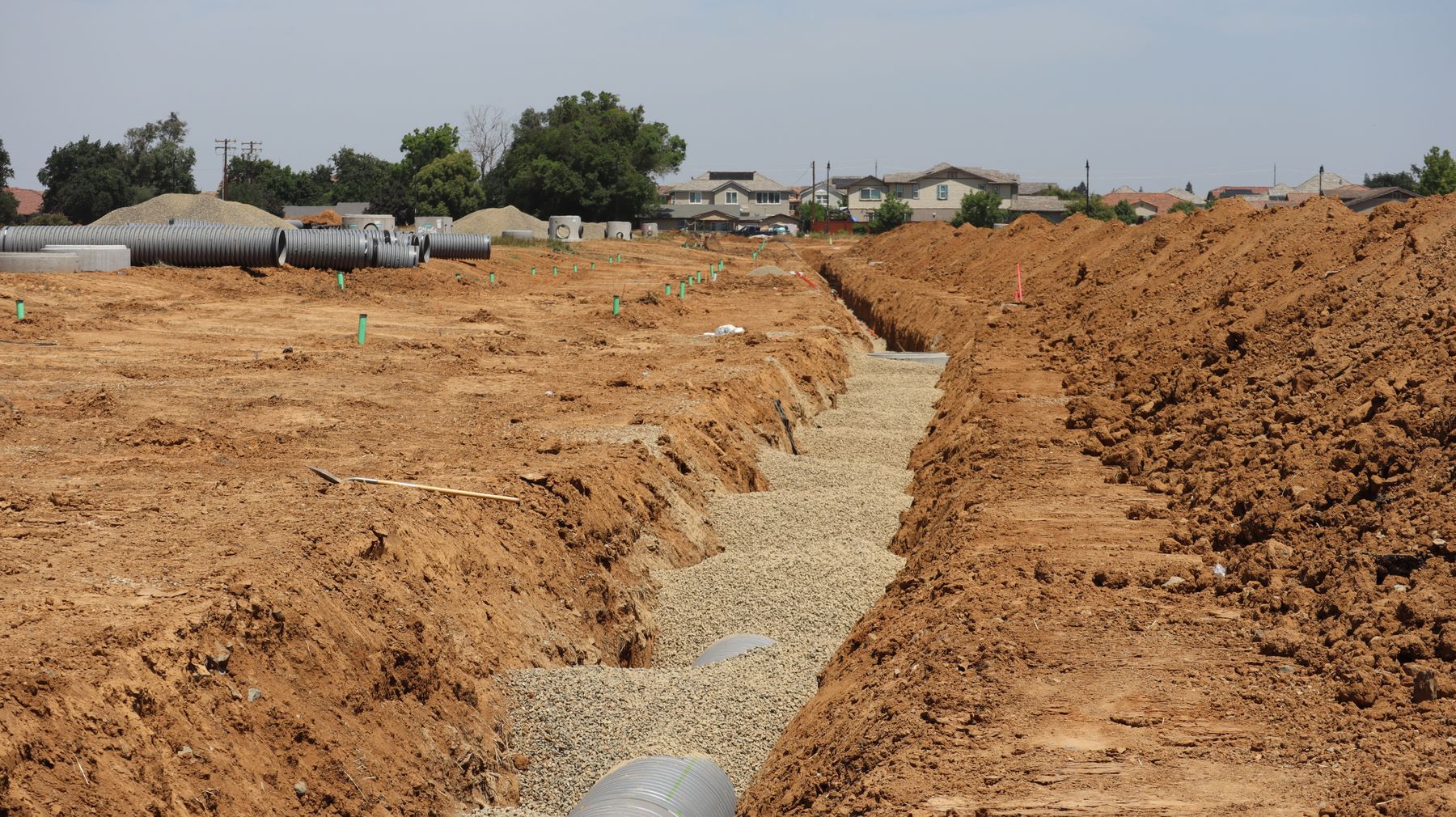
Downtown Interceptor
Crown Point's multi-phase wastewater improvement program includes construction of a new Downtown Interceptor.
Stormwater Management
Managing runoff and improving drainage capacity are important components of reducing flood risk.
Development Planning
Development review can consider drainage, wetlands, topography and flood-hazard conditions.
Natural Protection
Wetlands within Crown Point's watersheds can provide stormwater filtration and flood-control benefits.
Recovery Is Also a Community Effort
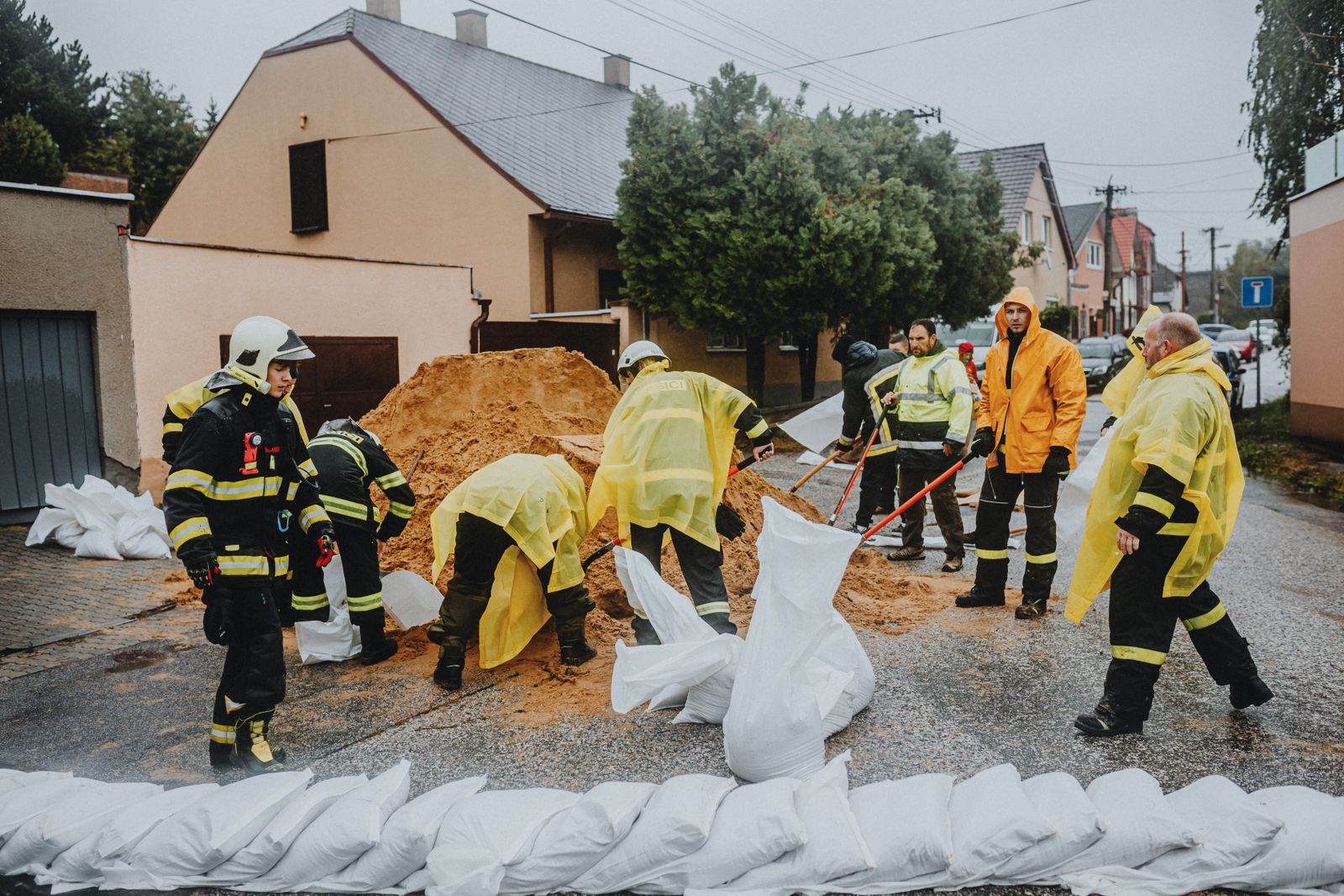
Infrastructure projects are only one part of flood resilience. Residents, businesses and public agencies also play important roles before, during and after severe weather.
Keeping drainage areas clear, disposing of waste properly and avoiding activities that allow pollutants to enter storm drains can help protect local water resources.
Lake County's stormwater education program highlights litter, pet waste, lawn chemicals, vehicle washing, motor oil, paint and household chemicals as activities that can contribute to stormwater pollution.
5 Ways Residents Can Help
Flood resilience is not only about large construction projects. Everyday decisions can also make a difference.
Keep Drains Clear
Remove leaves, branches and debris that could obstruct storm drains.
Stay Alert
Monitor official weather and emergency information during severe storms.
Protect Your Property
Move important documents and valuables to safer, elevated locations when flooding is possible.
Avoid Floodwater
Never drive through flooded roads or water of unknown depth.
Report Concerns
Contact the appropriate local department about drainage and flooding concerns.
Why Wetlands Matter
Flood prevention isn't limited to concrete, pipes and drainage channels.
The City of Crown Point notes that wetlands within its watersheds provide several benefits, including stormwater filtration, flood control and wildlife habitat.
Protecting natural areas can therefore be part of a broader approach to managing water and maintaining healthy local ecosystems.


Building a More Resilient Crown Point
Strong communities prepare at multiple levels: infrastructure, planning, environmental protection, public education and emergency readiness.
- Continued infrastructure improvements
- Better stormwater management
- Protection of natural drainage areas
- Community awareness and preparedness
- Coordination between residents and public agencies
Prepare Today. Respond Better Tomorrow.
No community can prevent every severe storm, but preparation can help residents respond more safely when conditions deteriorate.
Monitor Local Alerts
Follow official weather, emergency management and local government communications.
Know Your Risk
Understand whether your property, route or neighborhood has known drainage or flood concerns.
Protect Important Items
Keep important documents, medications and valuables in locations that are less vulnerable to water damage.
Have a Communication Plan
Know how your household will communicate if roads, utilities or normal travel routes are disrupted.
Storms cannot always be prevented. Their impact can be planned for.
A Stronger Community Starts Before the Storm
Storm recovery helps a community return to normal. Flood prevention and resilience planning aim to make the next response safer and more effective.
Crown Point's infrastructure work, stormwater planning, environmental protections and public education efforts all contribute to a longer-term conversation about community resilience.
For residents, the message is simple: stay informed, stay prepared and take practical steps to protect your home and community.
Verify the Local Details
- City of Crown Point — Official municipal information and updates.
- Crown Point Wetland Information — Wetlands, stormwater filtration and flood-control benefits.
- Lake County Stormwater Education — Public guidance on stormwater pollution and prevention.
- Lake County Public Works — Flooding, drainage and public-works concerns.
- CBS Chicago — Reporting on Crown Point flooding and the Downtown Interceptor project.
- Indiana IDEM — Crown Point Compliance Plan — Project milestones and wastewater improvements.