
X-Ray Technician Career in Indiana: Training, Salary & Outlook
Introduction
What is a Radiologic Technologist Program in Indiana? A radiologic technologist program in Indiana prepares students for careers in X-ray imaging, patient care, radiation safety, and diagnostic healthcare. It includes classroom learning, hands-on training, and clinical experience to prepare students for careers in diagnostic imaging.
The Radiologic Technologist Program Indiana is one of the most in-demand healthcare career paths for students who want job stability, strong earning potential, and hands-on medical training. Because medical imaging is essential for diagnosing injuries and diseases, trained X-ray technologists are in high demand across Indiana.
If you are interested in healthcare careers that combine technology with patient care, enrolling in a Radiologic Technologist Program Indiana could be an excellent career choice. Radiologic technologists, often called X-ray technicians, play a vital role in hospitals, diagnostic imaging centers, and medical clinics.
Students in Indiana, especially those near Crown Point and the Chicago region, have access to quality training programs designed to prepare them for careers in medical imaging. Institutions such as Stellar Career College offer healthcare education programs that help students develop the skills required for entry-level positions in the medical imaging field.
In this comprehensive guide, you will learn what X-ray tech do, how to become one in Indiana, the skills required for success, and what the future holds for this growing healthcare profession.
In this guide, you’ll learn salary, training, certifications, and how to start your radiology career in Indiana.
Why Choose Stellar Career College in Crown Point Indiana?
Students looking for a radiology training program often prefer hands-on training and real clinical experience. At Stellar Career College in Crown Point, students receive career-focused education, practical imaging training, and support throughout their journey. In addition, the program is designed to prepare students for entry-level roles in hospitals and diagnostic imaging centers.
What Is a Radiologic Technologist?
A radiologic technologist is a healthcare professional trained to operate medical imaging equipment such as X-ray machines, CT scanners, and MRI systems. These professionals work closely with physicians and radiologists to capture high-quality diagnostic images that help detect medical conditions.
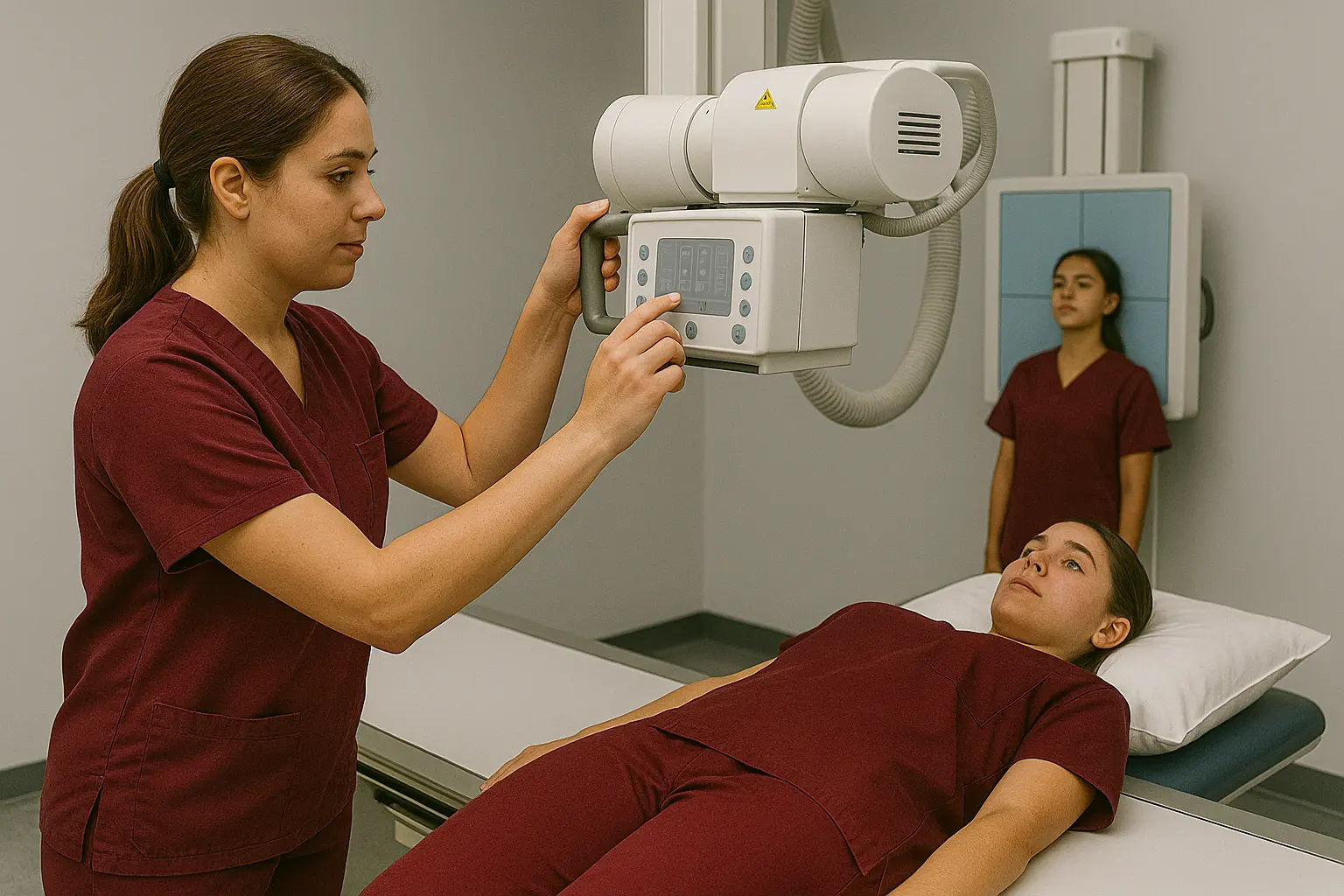
Radiologic technologists are responsible for positioning patients correctly and ensuring that imaging procedures are performed safely and accurately. Because diagnostic images play a critical role in healthcare decisions, X-ray tech must maintain high technical standards while also providing excellent patient care.
In many healthcare facilities, radiologic technologists act as the link between patients and physicians during imaging procedures. They explain the process to patients, ensure comfort during the scan, and capture images that allow doctors to diagnose injuries or illnesses effectively.
Although the term “X-ray technician” is commonly used, radiologic technologists often work with multiple imaging technologies beyond traditional X-rays.
Why Radiologic Technologists Are Important in Healthcare
Medical imaging is essential for diagnosing many medical conditions. From broken bones to internal organ problems, imaging technology allows physicians to see inside the body without surgery.
Radiologic technologists play an essential role in this process. Without properly captured images, physicians would have difficulty making accurate diagnoses.
For example, when a patient arrives at the emergency room with a suspected fracture, a radiologic technologist performs the X-ray imaging that confirms the injury. Similarly, CT scans and MRI scans are often used to detect tumors, internal bleeding, or neurological disorders.
Healthcare facilities rely on trained imaging professionals because operating diagnostic equipment requires technical knowledge, safety awareness, and attention to detail.
Because of these responsibilities, trained radiologic technologists remain an essential part of the healthcare team.
Start Your Healthcare Career in Indiana
Students interested in healthcare careers can explore our Diagnostic Medical Sonography Program Indiana, MRI Technologist Program Indiana, and Radiologic Technology Program Indiana to compare educational pathways and career opportunities.
Additionally, qualified students may be eligible for assistance through our Financial Aid Indiana resources.
Those ready to begin can Apply Online to speak with an admissions representative and learn more about upcoming class schedules and enrollment requirements.

Educational Requirements for Radiology Training in Indiana
Students who want to become X-ray technicians typically enroll in an accredited radiology training program. These programs combine classroom instruction with hands-on clinical training to ensure students develop the skills needed for professional practice.
Most radiology training program lead to an associate degree. However, some universities also offer bachelor’s degree programs for students who wish to pursue advanced career opportunities.
radiology training program usually include coursework in:
- Human anatomy and physiology
- Medical terminology
- Imaging procedures
- Radiation safety
- Patient care techniques
- Image evaluation
In addition to classroom learning, students complete clinical rotations in hospitals or medical imaging centers. These clinical experiences allow students to practice patient positioning, equipment operation, and imaging techniques under professional supervision.
After completing their training, graduates may pursue professional certification through the American Registry of Radiology Technologist. Certification demonstrates professional competence and is highly valued by employers.
Specializations in Radiologic Technology
One advantage of working in radiologic technology is the opportunity to specialize in different imaging modalities. As technology continues to advance, radiologic technologists can expand their careers by gaining additional certifications.
Some common radiologic technology specializations include:
Computed Tomography (CT)
CT technologists operate specialized imaging systems that produce cross-sectional images of the body. These scans provide detailed views of internal organs, bones, and blood vessels. CT imaging is widely used for trauma diagnosis, cancer detection, and cardiovascular evaluation.
Magnetic Resonance Imaging (MRI)
MRI technologists work with machines that use powerful magnetic fields and radio waves to produce detailed images of soft tissues. MRI scans are commonly used to examine the brain, spinal cord, muscles, and joints.
Mammography
Mammography technologists focus on breast imaging. These professionals perform specialized imaging procedures used to detect early signs of breast cancer.
Interventional Radiography
Interventional radiography involves assisting physicians during minimally invasive procedures. Imaging technology helps guide instruments through the body, reducing the need for traditional surgery.
These specializations allow radiologic technologists to advance their careers while increasing their expertise in specific areas of medical imaging.
Duties and Responsibilities of Radiologic Technologists
Radiologic technologists perform a variety of tasks during imaging procedures. Their work requires both technical knowledge and strong communication skills.
Common responsibilities include:
Preparing Patients for Imaging Procedures
Before performing imaging procedures, technologists explain the process to patients and answer any questions. This helps reduce anxiety and ensures patients understand what will happen during the scan.
Positioning Patients Correctly
Proper positioning is critical for obtaining accurate images. Technologists carefully adjust patient positioning to capture the specific body part required for diagnosis.
Operating Imaging Equipment
X-ray tech operate complex medical imaging equipment. They adjust machine settings, monitor image quality, and ensure procedures are completed safely.
Maintaining Patient Safety
Because imaging procedures involve radiation exposure, technologists must follow strict safety protocols. Protective equipment and safety procedures help minimize radiation risks.
Collaborating with Medical Professionals
X-ray tech work closely with radiologists, physicians, nurses, and other healthcare professionals. Their images help doctors diagnose and treat patients more effectively.

Essential Skills for Radiologic Technologists
Successful radiologic technologists possess a combination of technical and interpersonal skills. These skills help them perform imaging procedures accurately while also providing positive patient experiences.
Technical Knowledge
Radiologic technologists must understand imaging equipment and medical imaging techniques. Proper equipment operation ensures diagnostic images meet clinical standards.
Attention to Detail
Small positioning errors can affect image quality. Therefore, technologists must carefully follow imaging protocols to produce clear and accurate results.
Communication Skills
X-ray tech interact with patients who may be nervous or in pain. Clear communication helps patients feel comfortable during procedures.
Problem-Solving Ability
Unexpected challenges may occur during imaging procedures. Technologists must adapt quickly and adjust techniques when necessary.
Compassion and Empathy
Healthcare professionals must demonstrate compassion toward patients. Providing reassurance during imaging procedures helps create a positive healthcare experience.
Radiologic Technologist Salary and Job Outlook
The demand for medical imaging professionals continues to grow as healthcare services expand across the United States.
According to the U.S. Bureau of Labor Statistics, employment for radiologic technologists is expected to grow steadily as demand for diagnostic imaging continues to increase.
Several factors contribute to this growth:
- Aging populations require more diagnostic imaging
- Advances in medical technology increase imaging use
- Early disease detection relies heavily on imaging procedures
Radiologic technologists can work in many healthcare environments including:
- Hospitals
- Diagnostic imaging centers
- Outpatient clinics
- Physician offices
- Emergency care facilities
Because imaging services are essential to modern healthcare, trained professionals remain in strong demand.
Radiologic Technologist Programs Near Crown Point Indiana
Students in Northwest Indiana who are interested in radiologic technology careers often search for local training opportunities. Fortunately, several healthcare education programs exist near Crown Point and the greater Chicago area.
Career training institutions such as Stellar Career College Indiana focus on preparing students for healthcare careers through career-focused education and hands-on training.
When choosing a medical imaging program in Indiana, students should consider several factors:
- Program accreditation
- Clinical training opportunities
- Certification preparation
- Career placement support
- Instructor experience
Selecting the right training program helps students build the foundation needed for long-term career success.

Challenges Radiologic Technologists May Face
While radiologic technology offers rewarding career opportunities, the profession also presents certain challenges.
Radiation Safety
Radiologic technologists work with radiation-based equipment. Therefore, they must follow strict safety procedures to protect themselves and patients.
Physically Demanding Work
Technologists often stand for long periods and assist patients with positioning. As a result, physical stamina is important for this career.
Fast-Paced Healthcare Environment
Hospitals and imaging centers can be busy environments. Technologists must work efficiently while maintaining accuracy and patient safety.
Despite these challenges, many professionals find the career highly rewarding because they directly contribute to patient care and medical diagnosis.
Frequently Asked Questions
What does a Radiologic Technologist do?
Radiologic Technologists perform diagnostic imaging procedures using X-ray equipment to help physicians diagnose injuries and medical conditions. They also prepare patients, position imaging equipment, and follow radiation safety guidelines.
Is Radiologic Technology a good career in Indiana?
Yes. Radiologic Technology continues to offer stable career opportunities because healthcare providers throughout Indiana rely on diagnostic imaging services every day.
What is the difference between an X-Ray Technician and a Radiologic Technologist?
Although many people use both terms interchangeably, Radiologic Technologist is the professional title commonly used for individuals trained in diagnostic X-ray imaging and patient care.
What do students learn in a Radiologic Technology Program?
Students typically study anatomy, patient positioning, radiation protection, imaging procedures, medical terminology, and clinical practices that prepare them for diagnostic imaging careers.
Can Radiologic Technologists specialize after graduation?
Yes. Many professionals continue their education and move into specialties such as MRI, CT, Mammography, or Interventional Radiology after gaining experience.
Where do Radiologic Technologists work?
Career opportunities may include hospitals, trauma centers, imaging clinics, physician offices, urgent care facilities, and outpatient diagnostic centers.
Does Radiologic Technology require patient interaction?
Yes. Radiologic Technologists work directly with patients, explain imaging procedures, and help ensure patient comfort throughout examinations.
Is Financial Aid available for Radiologic Technology students?
Qualified applicants may be eligible for Financial Aid, grants, or other tuition assistance programs based on eligibility requirements.
Are Radiologic Technologists in demand?
Diagnostic imaging continues to play an essential role in healthcare, creating ongoing opportunities for qualified Radiologic Technologists throughout Indiana.
How do I start a career in Radiologic Technology?
Students can explore program requirements, review admissions information, and apply through the college admissions process to begin preparing for a career in diagnostic imaging.
Conclusion
Radiology training program play an essential role in modern healthcare. Their ability to operate diagnostic imaging equipment helps physicians diagnose injuries, detect diseases, and guide treatment decisions.
Because healthcare systems rely heavily on medical imaging, trained professionals remain in strong demand across the United States. Students interested in technology, healthcare, and patient care may find radiologic technology to be an excellent career path.
For individuals in Northwest Indiana, enrolling in a Radiologic Technologist Program Indiana can open the door to exciting opportunities in hospitals, clinics, and diagnostic imaging centers.
Career-focused training programs such as those offered by Stellar Career College help students gain the knowledge and practical experience needed to succeed in this growing healthcare field.
One Response